Efficient Turnaround in Packaging: A Key to Success

Article Text: 

The packaging industry is undergoing a major transformation as technology advances. Knowing how to efficiently turnaround packaging is a vital skill for any company that manufactures goods. In the old days, companies would simply fill an order and ship it out in its entirety when it was received. This often caused delays because of limited staff and resources. Nowadays, many companies have streamlined their processes so they can manage a larger number of orders at one time without having to sacrifice quality or speed.

Shipping is a critical part of any eCommerce business. However, shipping rates are often high and unpredictable, which can cause problems for both the customer and seller. In the competitive packaging industry, one of the most important factors in a company’s success is its ability to provide quick turnaround on orders.

Fulfillment Flexibility is the key to success for many businesses. Shipping departments are essential in order to handle all of the packages that come into your business, but if they aren’t efficient enough, you’re going to be spending more money on shipping than necessary.
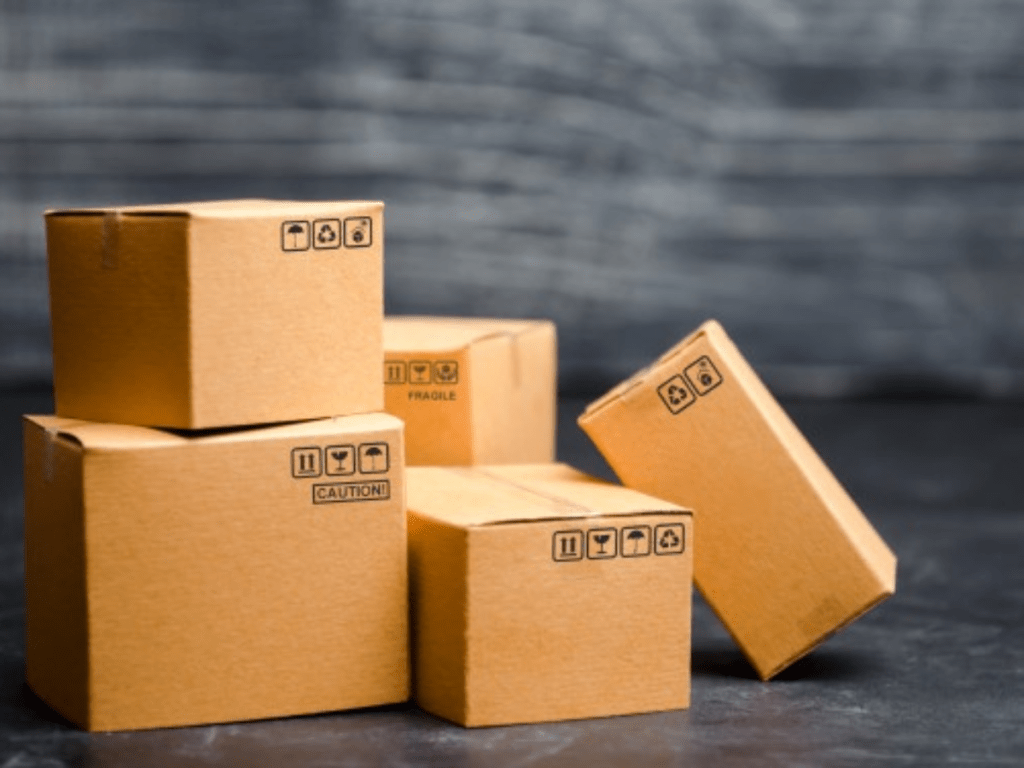
Efficient Shipping Departments are the Key to Success for many businesses. Flexible Fulfillment Options are what’s needed in order to handle all of the packages that come into your business, but if they aren’t efficient enough, you’re going to be spending more money on shipping than necessary.

Understanding the differences between options is vital for manufacturers and wholesalers trying to grow their businesses by finding new ways to get products on store shelves faster, cheaper, and more efficiently than ever before. By choosing to control all aspects of product development, including the production of unique containers for their products, manufacturers and wholesalers can be assured that nothing will slip through the cracks when it comes time to produce, package, ship, and sell their goods – assuming they have hired talented employees at every level of this value chain.

On the other hand, contract packaging services are responsible for every aspect of product development. These companies take on specific projects and create custom solutions – often including branding, design, manufacturing, warehousing, and shipping/fulfillment activities – designed to meet the needs of individual clients. They can provide a one-stop-shop option for clients eager to disengage themselves from certain aspects of production while receiving complete control over others.

Some small facilities that ship out modest orders each week can manage everything in-house, with staff filling and packing bottles by hand. Others may pack some items manually but send them to an outside warehouse for pick-and-pack operations when production volume increases. These warehouses are staffed either by employees of the shipping company or, sometimes, by temporary workers hired through specialized staffing agencies across the country. These temporary workers help expedite shipping during busy holiday periods like Christmas and Halloween, but they also handle much of the routine work in fulfillment centers around the US.
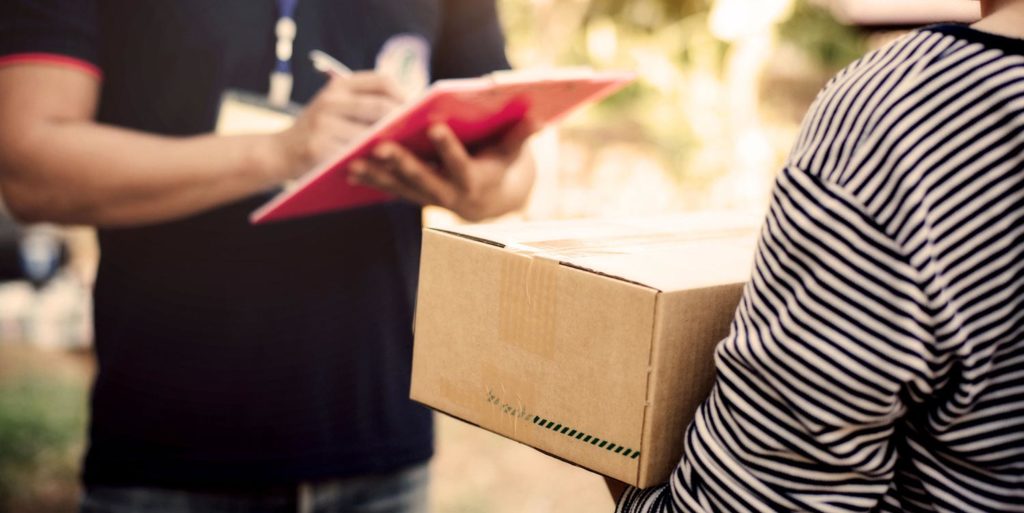
In order to determine which supplier is best, it’s beneficial to understand the different types of suppliers available and what each can offer. In some cases, there are cost considerations involved with choosing a particular supplier over another. Other times, the type of shipping service required dictates which company will be most suitable for a given situation. Knowing about common suppliers can help businesses better gauge which provides the services that will best suit their needs.

Box Dividers for Packaging 

For a lot of people, boxes usually are enough. But box dividers are becoming more popular than ever before. The difference in this between paperboard, plastic, and cardboard in terms of dividers, does impact how it protects the products while it offers the best space to be used for the packaging that’s at hand. 

Box dividers not only keep products properly separated, but they do protect the products too. If the products within this are considered fragile, they’ll use partitions to help with preventing them from breaking and getting messed up. This optimizes the space within the box, and it lets items that are in the same package to be shipped too. 

The box dividers also work with inventory and counting them too. It’s important to make sure that you keep the inventory within this all accounted for, as it lets you keep track of the packaged items. 

Materials Used 

The dividers are those which are sturdy in the way that they work. Here are the three most popular materials:

  • Corrugated cardboard dividers, where the wavy part that’s inside does make this thicker, and it’s better for product cushioning 
  • Paperboard, which is thinner, doesn’t have the layer of corrugated content to it, but it’s great for folding boxes and those that are lightweight 
  • Plastic ones, which are used for chocolate, cookies, and the like, and are usually a popular food staple 

The Best Ways to Use This 

If the product tends to be heavier and fragile, go for the corrugated ones. But here are a few ways to use this. First, you’ve got wine bottles. If you’ve ever been to a liquor store or had anything in a bottle shaped like that delivered or given to you, chances are you’ve seen these. The purpose of those is to separate the bottles. 

That’s partially due to the way that they’re made. They’re fragile, and during transit, they might cling together, and that does make them susceptible to breakage, which is why corrugated dividers are the best ways to protect these items. 

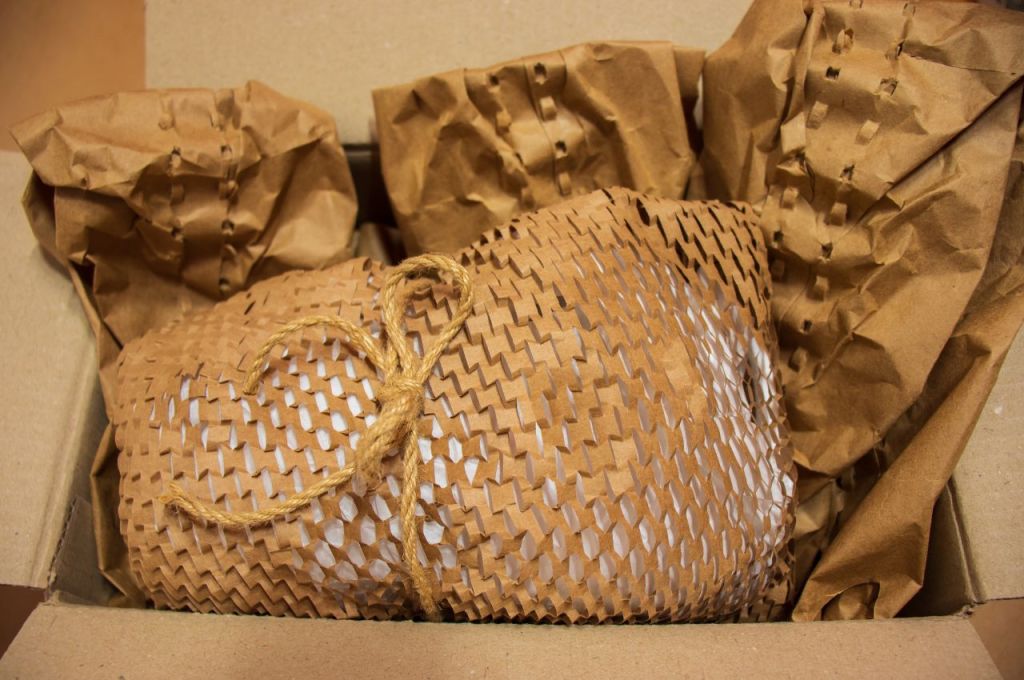
They’re also great for fragile items, including ornaments, or even other glass items. Box dividers are a great option especially if you’re trying to eliminate those products that aren’t eco-friendly (like bubble wrap) from your packaging needs. 

You also may want to consider these in different shapes, as you can make this easier for you to ensure that the boxes do indeed fit the dividers that are there. you can even get custom box inserts too. 

If you do Christmas gift packaging, then box dividers are going to be your best friend. Subscription boxes are another super popular way. This is less about protection and more about making it look good. Plus, it keeps the product from roaming about. The compartment size of this is something that does impact the boxes. Best of all, subscription boxes do benefit from the use of these custom ones, so if you have a specific division you want to use, then there you go! 

Finally, we have food. If you’re a company that sells foods, such as baked goods, or even chocolates, you’ve probably seen these box dividers already. They are used to prevent the foods from getting squished together into one another, and it also looks better, especially if you have different items that you’re selling. 

Think about it, imagine those chocolates getting melted and forming a blob. Box dividers prevent that, and it enhances the presentation of the product, so they’re not just there for protection, but also for the aesthetics of this too. 

How to Design New Product Packaging 

When you’re looking to sell new products, you have to look at one thing as much as everything else. The product packaging. Product packaging plays a major role in how your package gets received. That’s because it does the following: 

  • Impacts the customer’s experience 
  • Shows your brand’s narrative 
  • Offers better brand credibility 
  • Improves the outreach and the brand awareness 

So yes, this does have to matter, so if you’re going to make new packaging, you need to consider a few things. Here’s what you need to know, and what you must consider with the packaging that you’re putting out! 

The Strategy Matters 

Before you even think about making this look good, you also need to make sure that it advertised the products and protects them. The materials and the packaging costs are a major part of ensuring that your business is strong, and it provides the proper response to customers. 

Packaging considerations do play a large part in the products that go out there which is why the proper packaging strategy is good for the packaging of your products too. You want to make sure that you also ensure that you give them something that wows them. most customers do not come back, so remember to make the packaging good and memorable. 

The Right Kind of Packaging Matters 

Next, you want to make sure that you’ve got the right kind of packaging for the item that you’re developing. Depending on the product type, this can be hard, as you might be limited. The materials are a big,, part, and it’s not just the first part that protects it, but what’s within too. The product packaging that you have directly touching the product also matters too. 

There are multiple layers, and you want to make sure that the product packaging fits the needs that are there. For example, for product packaging that’s directly touching, you may use food wrapping, as this gets rid of the oils, and the like which may be there already. 

It definitely is good for communicating the quality of a product as well, as it’s right there and it can play a major part in how someone chooses the packaging that they do. 

The structural Design Matters 

You also want to factor in the structural design. This basically means that the design is also good for customers, without compromising the way that it looks in form. The costs that are associated with this also are considered when you’re making and distributing a product. 

Structural design needs to be something that’s simple, easy for customers, but also won’t completely destroy your profit margins. Corrugated cardboard and folding carton are some of the bests for reducing those costs, so it’s something to consider for the brand too! 

Make Artwork 

You want to make sure that you have artwork that does leave good impressions for you. Remember, you want to make sure that you give it something that really shows off the brand. For example, breathtaking and valuable artwork that shows off the mission, the values, and the story offers a sentiment that really does communicate that you care about the customers. This is something that should be carefully chosen, as it can drive the customer to buy more of your stuff and motivates people to choose the products. 

They also can lead to better unboxing for a lot of customers too, and you also need to make sure that you benefit the product, the brand, and the customers that are there too, so don’t be afraid to keep this in mind when choosing packaging. 

Flexible Packaging for Those On the Go 

Sometimes, people will use your products not at home. If they’re on the go, between the office and going home, people want a package that’s tailored to this usage.

It’s become much more prevalent in recent years, because of how busy our lives are.   Offering a type of flexible packaging that tailors to this is imperative.

You want to be convenient, portable, but also sustainable too, as this does reflect the modern lifestyles. Here, we’ll go over the aspects of flexible packaging, and what you can add to make for those on the go to enjoy this even more.

The right Materials 

People don’t have time to sit and eat a plate. They want something they can open and close at will, but also you want materials that are pretty easy to keep in small locations such as purses and briefcases.

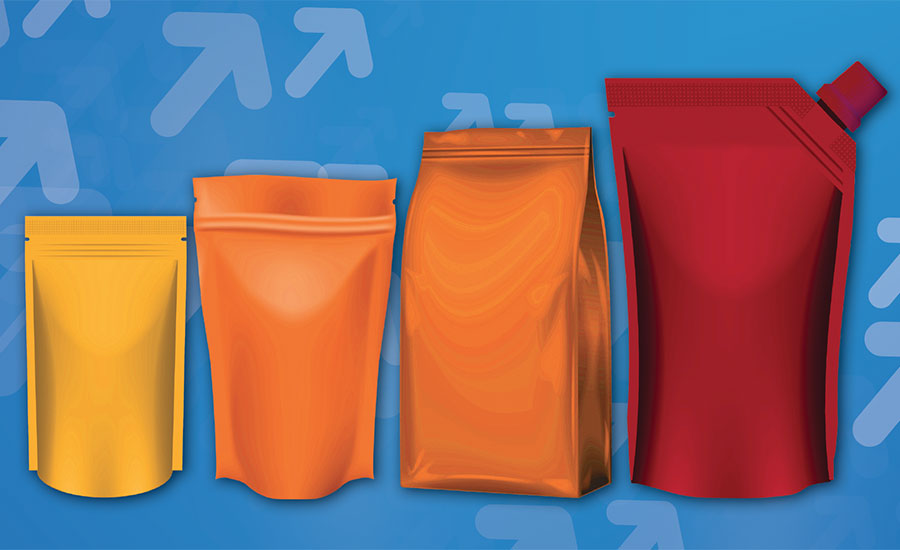
Pouches are one of the most popular. Flexible pouches are easy to mold and meld, and they work well for transporting various items.

Sachets are another.   Again, easy to use, and also very easy for you to apply however you might.

Films are another. A film over the top of your stuff you can tear away and either eat or microwave is very simple.   Remember, you don’t want to make it overly complicated, but you also want to make sure it protects the food.

Resealable Closures 

One big thing that people want out of their flexible packaging, is for the item to be easy to close.   If you close it, open it, and close it again, you want to make sure that the product maintains freshness especially in the case of snacks. 

Lightweight Designs 

These snacks and little on-the-go packaging solutions should not be heavy. It should be small and easy enough that it fits in a purse or pocket.

So, you can keep them snack sized for an extra burst of energy, or something along these lines. 

Make it light, and make it easy, and you’ll see the difference in your packaging options. 

Easy dispensing 

You should not have to fight with the packaging to get the contents out.

Simply tearing apart the perforated edges is one way to do this, and it can work for you. another way is to have a box with little flaps that open and close.

Making it easy to dispense is a great way to make the packaging stand out, because people will be able to use it. they’ll appreciate the convenience if you give them something like that.

Why use This 

Flexible packaging is great for customers that are on the go.   Food, personal care items such as toothbrushes and hairbrushes, and even household products do benefit from a packaging that’s easy to open.

You will make a customer’s life so much easier if you give them something that they can open right away. Plus, when done right it keeps the quality and production at the highest levels, making this even better for them.

However, you need to bear in mind that the best way to make this is by being sustainable. A big challenge with flexible packaging is just this.

You’d be surprised at how many brands have these types of packaging, but they’re made with plastics, which end up degrading in landfills.

If you plan to use this type of packaging, try to work with lightweight and plant-based types of materials.

If you can manage this, you’ll make flexible packaging possible, and it will help to make customers even more excited for the items that you’re about to provide for them too. 

Packaging for Virtual Brands 

Not every single brand is going to be out here with some brick and mortar store that customers can go to. Some of them do their entire business online. More and more people are focusing on ecommerce and online shopping, with packaging playing a focal role in translating the ultimate digital experiences to the physical world. 

A lot of virtual brands are focusing on their branding, and packaging for direct to consumer businesses, which means it’s primarily online. Gone is using business as a medium. With the right packaging and various elements, you can as well enhance a person’s experience and really make it as engaging as you can. 

Branding Elements for the Digital World 

One thing that some people are focusing on is the branding elements, and how it conveys to the digital world.

The customer won’t be there to interact with the brand, so you want to make sure that the website and packaging sells you as a brand.

Holograms that show how to use the item, various virtual demonstrations and the like, are good ways for brands to interact with the customers. 

However, it’s beyond that.   you need to create interest for these brands, and give them a reason to choose your shop over others. One example is limited edition packaging.   This type of packaging is one that can be used for a small period of time, and will really get customers nice and excited.

Personalized inserts are another one.   Adding some bit of personalization, or thanking the customer will definitely make a virtual experience all the more memorable in the real world. 

Focusing on Unboxing 

With digital brands, you need to focus on one thing: unboxing. This is where someone literally opens a box and takes your item out of the packaging. Though a small thing to do, it is memorable for a ton of brands, offering the best in terms of digital identity and customer engagement.

Adding various inserts, freebies, and creating an unboxing experience that looks good is so important.   You’ll be amazed at the difference it makes when you’re not just focusing on the undoing of boxes, but instead on the bigger picture of giving customers something to remember. 

Digital storefronts need to remember that they want the item they’re getting online. However, a regular old box isn’t going to cut it. Instead, also look at trying to make your experience truly stand out. 

Bridging the Gap 

With virtual branding and consumer experiences through packaging that’s creative, you’re closing the gap between the two with your digital brand packaging.

For instance, customers are actually connected with brands more than ever before. it isn’t just a corporation that’s selling to people. Many times, they’re average joes, with so many different ways to create memorable experiences. 

You also want the consumer experiences to really shine with creative packaging. Customers will remember unboxing that stands out, and won’t remember when a customer gets something that doesn’t really matter.

So yes, having  good unboxing and digital packaging definitely makes this really work.

Keep in mind though, that you also want to make sure the balance between practical and aesthetics for shipping will be precariously attained.   Many times, people don’t realize the importance of using both.

Make sure that whatever you add to your packaging doesn’t eat away at costs, but also makes the packaging look good. reduce breakages by ensuring that there is enough packaging to help protect the item, without looking so tacky and excessive that it’s a turnoff for customers, and makes them not want to buy from you. 

Luxury Product Packaging 

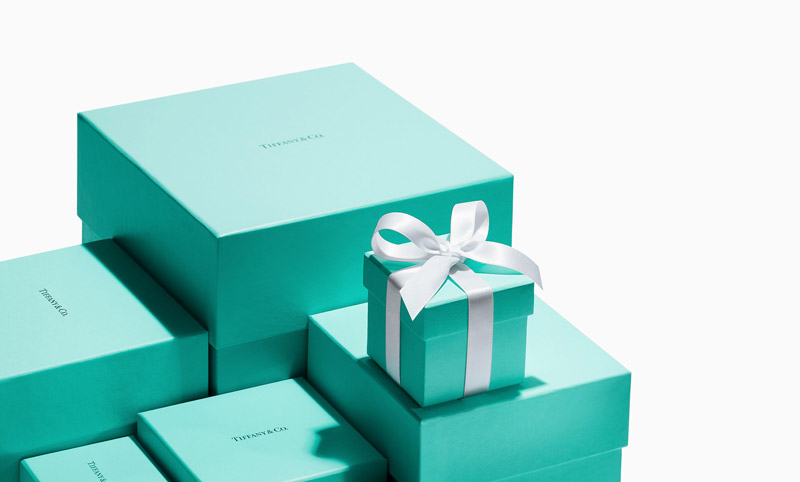
If you’re someone selling luxury products, you do need to focus on the packaging. A luxury market is different from any old buyer. People are paying premium prices for premium products, so they need to have something worthwhile. 

Here, we’ll go over the elements that come with luxury packaging, and what you need to do, to make your packaging not just outstanding for current customers, but for the future customers that come your way as well. 

The elements 

There are a few elements that come with luxury packaging. 

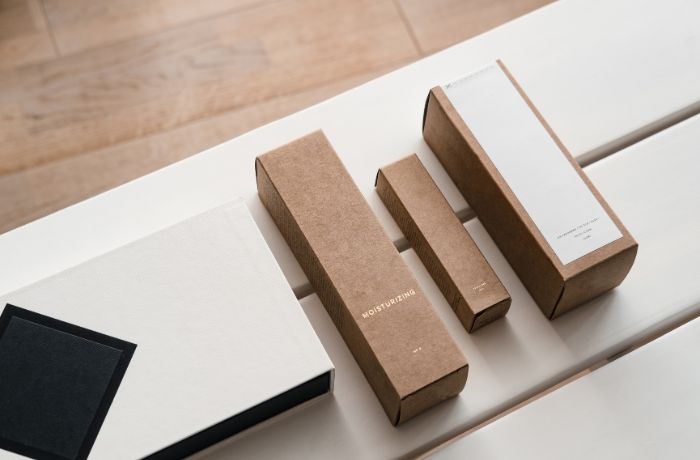
First, quality materials are the name of the game. You’re not trying to use the cheapest materials or save a buck. You’re reeking money with this type of packaging, so you want to use high-quality materials. Fiberboard and thicker boxes are a good place to start. 

The finishes also may need to be considered. Laminated and matte or glossy finishes help to show to others that you’re a high quality item, and there’s a lot of people that will definitely see the difference. 

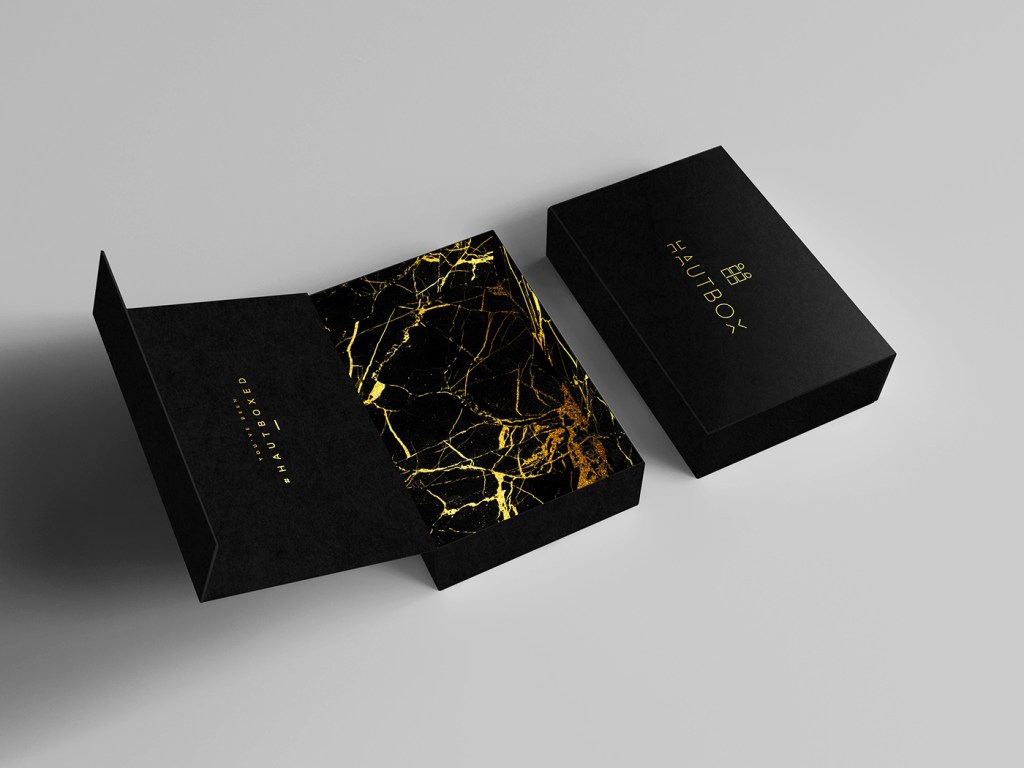
Your design elements also need to be on point. Elegant designs, such as minimalistic and simplistic design elements, are commonly seen. Cursive typography is also another, and you might also use elegant fonts too, not just those that are more modernistic and blockier. When it comes to colors, using gold for the details is a big part of it.

You’re not using intricate patterns, because that doesn’t make you look luxurious. Instead, you want to look sophisticated, and possibly use minimal Patterns on the packaging.

Finally, get customizable and personalized.   People like it when they can choose what they’re getting, and when you do this as a luxury brand, it conveys that the customer matters, so they can offer unique types of finishes and elements. 

Overall, you want to have these all on point when designing this.

The Balance of Functionality and Aesthetics 

While you do want to seem wealthy and rich, you also want to make sure that the packaging is strong enough to handle transit. 

Try to make sure that you have the design of the items correct, and also focus on building better packaging protection. For example, a sturdier box with foam inserts might be good for expensive perfumes and packaging, rather than just putting it in a container.   Reduce the void fill but try to use some foam types of packaging that are easy to place the item inside. 

Smart technology also can be used here. You can set it up so that customers can track their luxury items through different channels, building hype and awareness for the time when it reaches the delivery point.   Ensure that the protective ion is in place, while the design isn’t compromised either. 

Get sustainable 

Finally, consider the sustainability that comes with this too. sure you’re a luxury company, but you also want to care about the environment. 

Try to use biodegradable or recyclable materials, while also keeping the packaging nice. There are now eco-friendly foam inserts that you can buy, which is a good way to add that luxury feel while also caring about the environment. 

Balance this and try to make sure you’ve got a bit of both and show to the world that you are environmentally responsible. You’ll see the difference it does make, and it can foster brand loyalty from newer customers. 

Overall, luxury packaging is a great type of packaging for this market. However, bear in mind that the materials might require you to accommodate these types of people. Get the right items and put them together to create the packaging you need. 

Connecting with Customers through Emotional Packaging 

Brands are always looking for new ways to connect with their audiences, and a lot of times, emotional packaging is where they go. Emotional packaging is simply that: using the emotions of others to connect your packaging towards them. it does build trust, compels them to purchase items, and it can really help them build a conscience relationship, and bolster brand reputation.

With emotional connected types of customers being over half of the value to brands, yes businesses need to get on it. Here, we’ll go over emotional packaging and how you can use it. 

Seen in Color 

Colors are the first area that businesses turn to when building emotional impact. Blue makes us calm. Red represents passion. Pink represents love. Purple evokes luxury. Think about it, Valentine’s Day is all reds and pinks, signifying love.   A lot of luxury companies use that deep, regal blue for items. Color is a good way to build packaging designs, as it communicates the colors that utilize and create the results that you want to.

McDonalds was doing this for a long time. The golden arches, which are encouraging happiness and cheeriness, along with a playfulness, definitely brings forth customers. Reiss utilizes more neutral colors, mostly whites, which keeps it a little more subdued, but also conservative. Luxury brands as well love to use these more neutral colors to signify wealth and cleanliness, and I see on bags and boxes. Overall, colors are the first place to begin. If you want to tap into these emotions, this is where to start. 

Other Areas 

Graphics is the next place. Lots of different brands will use graphics to convey emotions. a cat on pet food bags for example that’s happy, might indicate that the food is healthy for them. 

Fonts are another.   Cursive fonts on luxury packaging indicate wealth and splendor, and that the package costs a whole lot, so it’s worth the money.

Textures and scents are another.   There are scratch and sniff stickers used on kids packaging, or even on food packaging, to connect with customer emotions. a cookie box that smells like the cookies might incite a customer to buy it for example. 

Embossed fonts feel nice against the fingers. A lot of luxury brands will use it because it does look good. 

Some even use sounds, where you press a button and hear the voice. Kids packaging uses this, generating excitement and playfulness. 

Stories and brand messages get incorporated in these types of packaging, because it shows that you’re a real brand, a human behind it all. This enhances the unboxing experience and fosters customer loyalty. 

Examples of Successful Brands 

There are some brands that are great at this type of packaging. 

Lush is a good one. They are eco friendly and protect animals and assure customers they’re investing in ethical companies.   Their product packaging offers humanizing and emotional elements to the packaging.

Their bath bombs for instance are sealed in bags with labels, and feature the employee’s name that packed it, creating a connection and recognizing the hard work. 

Nike is another.   The “Just do It” phrase on their packaging and merchandise demonstrates that they’re committed to customers. They encourage the best that they can from their customers, and will put this simple phrase on the straplines, inciting motivation and emotion. 

You can get creative with this. appealing to emotions is encouraged, and doing so through the packaging is not only a great way to start, but also gives you something to enjoy as a brand on all fronts, and without too much trouble. 

Questions to Ask Before Designing Packaging 

When you’re managing the client briefings, you want to make sure that the correct questions are asked, as this will make it easier to work with.

Brands that are trying to change packaging should have the answers to these before going onto packaging design. 

What are the Primary Product Features 

First and foremost, you want to ask about the primary details of these products. Through gathering information, you get a much bigger, broader view of the chances given, in order to design packaging that highlights the strengths needed. 

What Makes Your Product Unique? 

There are usually simple answers for this, but you want them to dig deep, and you want to find the true uniqueness of what you’re offering, or initially, the most vital feature of stuff. 

You want to understand as well what buyers will see, and the difference in your product against the competition. This answer will help with details that must be communicated within the packaging.

What’s your Product Selling Point 

Depending upon the price of the product that’s there, you can determine the budget, and what’s there. There isn’t a specific rule, but overall, the higher the product cost, the more you’ll be able to invest directly into packaging, in order to increase the perception that customers have of the value. 

For instance, if a client is selling some table salt, then you want to make sure that the budget that’s used for it is usually just a few pennies, as this offers limited materials. 

On the flip side, if the product is a high-end night cream that has anti-aging aspects of this and is priced at a higher level for customers that are a bit more demanding, higher amounts of budget can be further allocated to this. you can add some micro-cut laser decorations, hot stamping, even engraving to improve this. 

Who is your Target Audience 

This is the typical customer that you want. Understanding this will help you with putting out a more exclusive, better product, especially if the product is more aimed at price-conscious people who wish to save money.

You want to select packaging b asked upon each of the characteristics that the audience that’s targeted offer, along with different choices for marketing that are properly related to it. the communication types, sales channels, and even prices also need to be considered. Some packaging may try to adapt to the customers, working with all of these elements so that it hits the target audience. 

Who’s the competitors 

Now that you have all of that information, you want to make sure that you understand the competitors, and how they work with this, especially on the market, and the right ways to differentiate the product of a client’s, in order to make this stand out with the correct packaging. 

For instance, you may see some products with specific colors. Maybe try different, less-used options to get these new customers interested? 

Is it Primary or Secondary? 

Are you looking to create primary or secondary packaging? For primary packaging, this can be really important, especially in the realm of food.  This is because it’s directly in contact with this, and the finishes, along with the materials, must have specific types of regulations. 

Creative concept banner. Vector illustration for graphic and web design, logo design, vector design, stationary, branding, corporate identity, product design.

For instance, glue, ink, and cardboard must be food safe. 

You need to make sure that this is properly communicated not just on the packaging, but to customers too, as this will help them realize that you do care about the health of the consumers. 

Consider asking all of these questions before you start designing packaging for your needs. 

Smart Moisture Designs for water-Activated Packaging 

Packaging that changes with water is something that’s new. We know about water-activated tape, but did you know that you’re going to change the way your packaging works? 

Packaging that unfolds with water is another one. You might be able to do the opposite of the seals, opening it with water, rather than sealing it with water. 

There’s also water-compostable packaging, where the packaging decomposes when it’s given water. This is a form of eco-friendly biodegradable packaging, and is great if you’re looking to make an exciting, and thrilling experience for your packaging needs. 

The applications 

There’s a lot of applications with this type of packaging.

The biggest one is disposable packaging. Having packaging that’s disposable is great for improving customer disposal, and making it easier for them to get rid of the item. 

Perishables benefit from this, since it makes it even better for you as well. you can toss away the item and the packaging.

Eco Friendly boxes and mailers also use this. The water-activated tape that’s put on these contributes to the mailers being sustainable for everyone that’s involved.  Having this means that you’re able to throw them away when you’re done, and makes it even easier for you to do as well. 

The Benefits of Water-Activated Packaging 

Water-activated packaging is some of the most eco-friendly types of items to use. You’re minimizing the waste you put out by a lot, meaning that if you want to reduce your carbon footprint, you’ll be able to do just that.

The other benefit is optimized storage before you use it.   if you have items that don’t expand until you get water, or tape that doesn’t work until water is put on it, it’s easier for you to store. That, in turn, means that you’re saving money on the item, but also on the storage space too, since it can be really helpful for putting it away.

Overall, it’s a good, sustainable measure if you’re looking to be as zero-waste as possible with your packaging. The possibilities are endless, and in turn, it will make things better for you as well.

The challenges 

Your biggest challenge is the strength concerns.   Water-activated packaging is good, but isn’t as strong as other types of heavy packaging. Being able to balance out both of these is so important.

The second, is also focusing on biodegradability. When you’re looking to have packaging that’s eco friendly, it needs to be biodegradable, so you want to make sure that it is, and sustainable to a fault.

This can be a challenge to properly balance, since so many people don’t know how to make packaging that utilizes these factors. However, there are new innovations coming down the pipeline, making water activated packaging not just a good idea, but a must for all of your packaging experiences that you have too.

The Future of This Packaging 

There’s a lot of future innovations that come with this packaging.

The first is packaging that activates various features. Insulation for example, can benefit from this. when you put water on this, it then will insulate, and protect the packaging as it can be.   it’s a useful means, and one that’s worthwhile to consider.

Overall, water-activated packaging is a great one to utilize, and provides so much for all customers that are involved. When you use water-activated packing tape and boxes, it reduces so much, and makes it easier for you to have the packaging experience that you will love.

This also contributes to zero-waste packaging, which should be the ideal goal for all types of companies looking to expand to eco-friendly heights.